


Parking lots are one of the first things people experience when visiting a business, office, or commercial property. Clear parking lot lines, visible markings, and organized traffic flow play a major role in keeping drivers and pedestrians safe while also supporting compliance with ADA regulations. Over time, however, striping fades due to traffic volume, harsh weather, and normal wear and tear. Knowing when to re-stripe parking lots to maintain visibility and safety helps property owners avoid confusion, reduce accident risks, and protect the long-term usability of their asphalt parking lot.
This guide explains what parking lot restriping means, how often it should be done, how it fits into regular parking lot maintenance, and the most common signs it is time to act. It also answers key questions property managers often ask when planning striping, sealcoating, and resurfacing services.
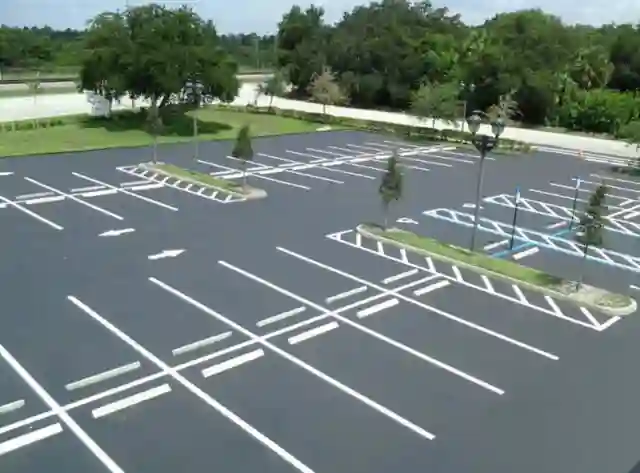
What Re-Striping a Parking Lot Means
Re-striping a parking lot is the process of repainting parking lot lines, symbols, and markings that organize parking spaces and guide traffic. This includes parking spots, accessible parking spaces, fire lanes, directional arrows, crosswalks, walkways, loading zones, and other pavement markings.
Over time, exposure to sunlight, rain, vehicle traffic, and sealcoating causes striping to fade. When markings become hard to see, drivers may park incorrectly, block lanes, or ignore pedestrian areas. Parking lot striping is not only about appearance. Properly striped parking lots contribute directly to pedestrian safety, efficient traffic flow, and ADA compliance.
Why Parking Lot Striping Is Critical for Safety and Compliance
Clear striping ensures that drivers and pedestrians can move safely through your lot. Parking lot markings help guide vehicles, reduce sudden stops, and create predictable traffic patterns. Without visible markings, the risk of collisions and injuries increases, especially in high-traffic areas.
Striping also supports ADA requirements. Under the Americans with Disabilities Act, commercial properties must provide accessible parking spaces that are clearly marked and properly sized. Faded or missing markings can lead to compliance issues and potential penalties. A compliant parking lot protects both users and property owners.
Signs It Is Time to Re-Stripe Your Parking Lot
There are several clear signs that indicate your parking lot needs restriping. Addressing these early helps maintain a safe and well-maintained parking lot.
Faded or Hard-to-See Parking Lot Lines
If parking lot lines are difficult to see during the day, at night, or in rainy conditions, it is time to re-stripe your parking lot. Poor visibility makes it harder for drivers to identify parking spaces, lanes, and crosswalks, increasing the risk of accidents.
Confusing Traffic Flow or Poor Parking Efficiency
When striping fades, drivers may park unevenly or outside designated parking spots. This can reduce the number of usable parking spaces and create congestion. Re-striping your parking lot restores order and helps maximize parking efficiency.
ADA Markings Are No Longer Clear
Accessible parking spaces must remain clearly marked at all times. If symbols, striping, or signage are worn, your parking lot may no longer meet ADA compliance standards. Regular parking lot restriping helps ensure accessible parking spaces remain visible and usable.
Recent Sealcoating or Resurfacing
Sealcoating and resurfacing are essential parts of parking lot maintenance, but both processes cover existing striping. After sealcoating or resurfacing, re-striping your parking lot is required to restore parking lot lines, crosswalks, and lane markings.
Increased Traffic Volume
Parking lots with heavy traffic experience faster wear and tear. As businesses grow and usage increases, striping may fade more quickly. High-traffic areas often require more frequent restriping to maintain visibility and safety.
How Often Do You Need to Re-Stripe a Parking Lot
In most cases, parking lot striping lasts between 18 and 24 months. However, the exact timing depends on traffic volume, weather conditions, and exposure to the elements. Parking lots with heavy daily use may need to restripe every 12 to 18 months, while smaller or low-traffic lots may last closer to two years.
Regular inspections are the best way to determine when restriping is needed. Waiting too long can create safety hazards and compliance concerns.
How Often Should a Parking Lot Be Resealed
Sealcoating is typically recommended every two to three years. It protects the asphalt surface from moisture, UV exposure, and wear. Because sealcoating covers existing parking lot markings, restriping should always follow sealcoating as part of a coordinated maintenance plan.
How Often Do Parking Lots Need to Be Resurfaced
Parking lot resurfacing is a larger maintenance step that is usually required every 10 to 15 years, depending on pavement condition and usage. Resurfacing involves applying a new layer of asphalt over the existing pavement. Once resurfacing is complete, professional striping is necessary to define parking spaces, lanes, and pedestrian areas.
Benefits of Regular Parking Lot Restriping
Consistent parking lot restriping provides several important benefits for property owners and users.
Clear striping improves pedestrian safety by defining walkways and crosswalks. It reduces confusion for drivers and helps guide traffic efficiently through the parking area. Fresh striping also enhances curb appeal, making your property more visually appealing and professional.
From a compliance standpoint, regular striping helps ensure your parking lot meets ADA requirements and local regulations. This reduces the risk of fines and legal issues while demonstrating attention to safety and accessibility.
Professional Parking Lot Striping Services vs DIY Approaches
While some property owners consider repainting parking lot lines themselves, professional striping services offer better durability and accuracy. Professionals use specialized equipment, high-quality materials, and precise measurements to ensure striping lasts longer and meets regulations.
DIY striping often fades faster and may not comply with ADA standards or proper spacing requirements. Investing in professional parking lot striping services ensures consistent results and reduces long-term maintenance costs.
How Striping Fits Into a Parking Lot Maintenance Plan
Parking lot striping works best when combined with other maintenance services such as sealcoating, crack repair, and resurfacing. Property managers can create a comprehensive maintenance schedule that keeps the asphalt parking lot in top condition while minimizing disruptions.
For property owners in Florida, services such as line striping hobe sound fl and line striping okeechobee fl are especially important due to intense sun exposure and frequent rain. Coordinating restriping with other maintenance tasks helps extend the life of your pavement and maintain safety year-round.
Planning Ahead to Maintain Visibility and Safety
Regular inspections help property owners identify when it is time to re-stripe before issues arise. A well-maintained parking lot supports safe traffic flow, protects pedestrians, and creates a positive impression for customers, tenants, and visitors.
Knowing when to re-stripe parking lots to maintain visibility and safety allows you to act proactively rather than reactively. Clear parking lot lines, visible markings, and organized traffic patterns reduce the risk of accidents and ensure your parking lot remains compliant and functional.
A Safer, More Organized Parking Lot Starts Here
If your parking lot lines are faded, confusing, or no longer compliant, it may be time to schedule professional restriping. True Lines, Inc. provides professional parking lot striping services designed to improve safety, enhance visibility, and support long-term parking lot maintenance.
To keep your parking area organized, compliant, and safe for everyone who uses it, contact True Lines, Inc. at (772) 349-4669 and take the next step toward a clearly marked, well-maintained parking lot today.


